You have returned to the top of the page.
TOWARDS
ZERO
April 2024
YOUR IMPACT ON BREAST CANCER
Advancing Knowledge and Scientific Discoveries
In the last 10 years, thanks to your support, researchers funded by National Breast Cancer Foundation (NBCF) have had more than 2,300 science discoveries published in science and medical journals contributing to an improved understanding of how to prevent, detect, treat and stop breast cancer. We couldn't have done this without you.
Microbial Therapy Improves Treatment
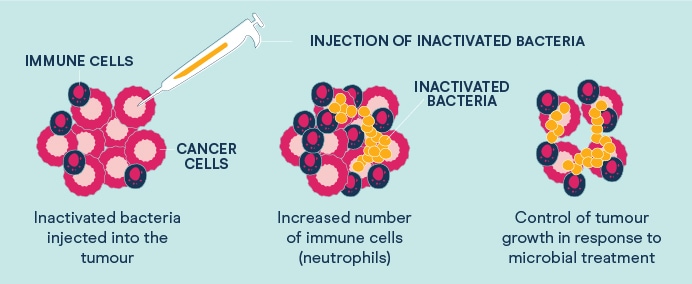
Published in the prestigious Cancer Research journal, NBCF-funded researcher Associate Professor Tatyana Chtanova has shown that injection of ‘inactivated’ bacteria (termed microbial therapy) directly into the tumour can increase anti-tumour responses by causing specialised immune cells called neutrophils to change from pro-cancer cells to cancer destroying cells.
These ‘activated’ neutrophils can also release signals to attract other immune cells that can kill the tumour. Associate Professor Chtanova and colleagues also showed that this microbial therapy can increase the effectiveness of approved immunotherapy drugs in pre-clinical models of triple negative breast cancer (TNBC). Encouragingly their microbial treatment was also effective in models of lung cancer, pancreatic cancer and melanoma showing the broad potential for benefit.
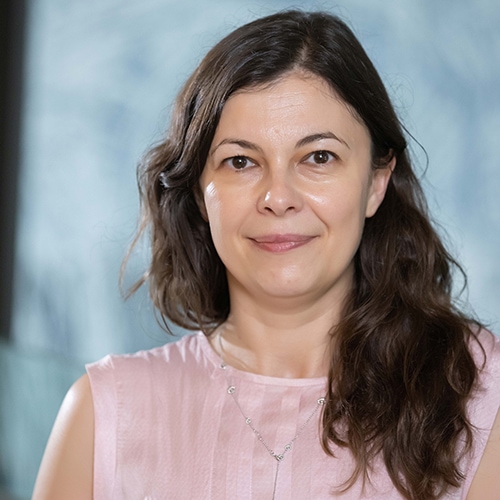
“A heartfelt thank you to all NBCF donors and supporters. Your donations make our breakthroughs possible.”
- NBCF-funded researcher,
Associate Professor Tatyana Chtanova
Advancing Immunotherapy in Treating Breast Cancer
A total of 22 intellectual property (IP) licenses have been reported by NBCF-funded researchers in the last 10 years. In 2018, a patent was granted to Associate Professor Paul Beavis for a specific use of chimeric antigen receptor T-cells (CAR T-cells). CAR T-cell immunotherapy is an approach that reprograms a person’s own immune cells to find and destroy cancer cells. While CAR T-cell therapy has shown great promise in the treatment of certain blood cancers, its role in treating breast cancer is still being explored.
Within solid tumours like breast cancer, CAR T-cells face an unfavourable environment and become exhausted, leading to ineffective destruction of cancer cells. NBCF-funded researcher Associate Professor Beavis has made significant headway into understanding how to overcome CAR T-cell fatigue by genetically engineering CAR T-cells with DNA sequences. This empowers them to combat this fatigue and boost anti-tumour immunity. These fundamental discoveries have been crucial to harness the potential of CAR T-cell therapy as an effective treatment for breast cancer.
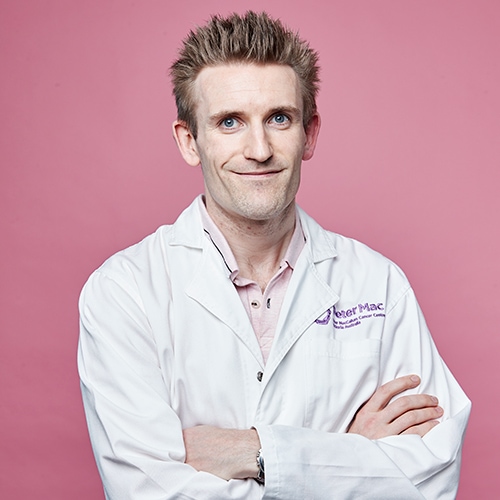
“We hope our research will lead to immunotherapies that are far more effective for breast cancer in the future.”
- NBCF-funded researcher,
Associate Professor Paul Beavis
BEHIND THE PICTURE
Navigating Breast Cancer and Building a Legacy Towards Zero Deaths
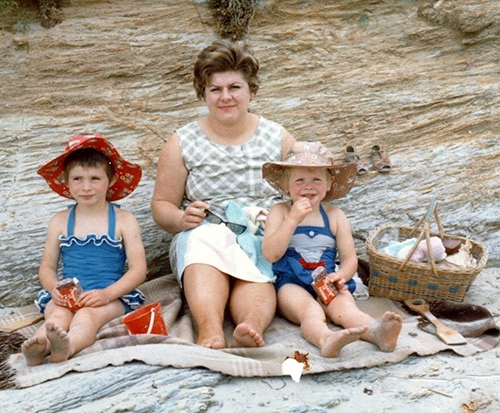
“Little did I know when this summer photo was taken, that my daughters and I would all eventually develop breast cancer. I have added a Gift in my Will to NBCF so that vital breast cancer research may help protect my grandchildren and great grandchildren. No family should suffer the emotional rollercoaster of living with breast cancer. Adding a Gift in my Will was an easy decision as it gives me hope of zero deaths from breast cancer.” - Marie-Ann, Research Guardian
Imagine the impact you can make with a legacy gift in your will, as many of our wonderful community have chosen to do. A gift of even 1% or as much as you can afford, can fund innovative, world-class breast cancer research. This is the most powerful gift you can give, ensuring our brightest researchers can continue to make life-changing breakthroughs. We are grateful to those who have already added a gift to NBCF in their will. For a confidential, obligation-free discussion, please contact Diana from our Gifts in Wills team at 02 8098 4848 or email bequests@nbcf.org.au.
TAKING STRIDES FOR CHANGE
The Mother’s Day Classic 2024 is Here!
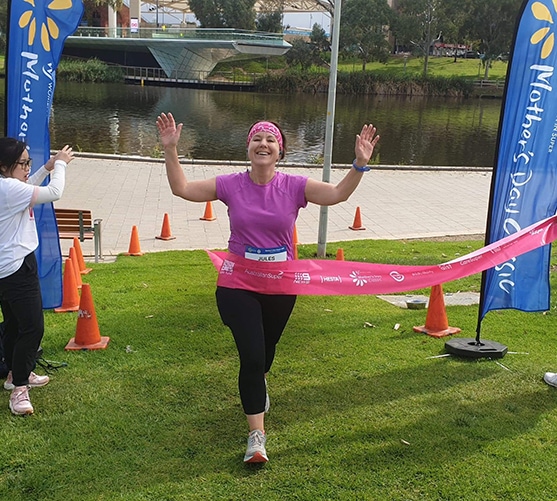
We are delighted to share that The Women in Super Mother’s Day Classic 2024 is now underway, and registrations are officially OPEN! By signing up and committing to walk or run a distance that suits you, you directly support individuals like Jules.
Jules’ journey began at the age of 52, following a routine mammogram. The news was life-altering: she had breast cancer. On September 6, 2022, Jules underwent a mastectomy on her left breast. Her official diagnosis was Stage 2 Oestrogen and Progesterone positive Invasive Ductal carcinoma breast cancer.
Jules emphasizes the critical role of research in saving lives: “Research saves lives. The research that came before me saved my life. This is where the National Breast Cancer Foundation (NBCF) steps in. They fund world-class breast cancer research, and since their inception in 1994, there have been remarkable results and a reduction in death rates.”
Despite receiving the “all clear’’ from her oncologist, Jules still lives with the fear of recurrence. In 2023, she and her husband participated in the Mother’s Day Classic. Jules said "My husband and I ran the Mother’s Day Classic in Adelaide, and it was the most euphoric, meaningful run I've ever had. I was buoyed along by the buzzy energy with everyone dressed in pink, coming together to raise funds and awareness of this horrible disease."
Start your Mother’s Day with purpose! Join Jules and be part of our vision: Zero Deaths from breast cancer. Click the link below to register and make a difference: https://www.mothersdayclassic.com.au/