You have returned to the top of the page.
TOWARDS
ZERO
A 10-YEAR JOURNEY TO BETTER SCREENING AND PREVENTION
As NBCF’s first Chair in Breast Cancer Prevention, Professor Nehmat Houssami from the University of Sydney will be busy making a difference for the next 10 years. From implementing a long-term research program, to addressing breast cancer screening and prevention with the ultimate aim of reducing deaths.
Professor Houssani has been internationally recognised for her influence in the implementation of trials and large cohort studies for breast cancer screening. We sat down with the National Breast Cancer Foundation’s (NBCF) new 10-year Chair, to discuss her long-term project and what it could mean for the future of women diagnosed with the disease.
NBCF: Why is a long-term, multi-project approach to research like this important?
Professor Houssani: The 10-year funding model that NBCF has granted provides me and my research team with the stability to undertake this priority-targeted research and build on my findings as my research progresses over time.
A multi-project program is important, as no individual prevention strategy can make a significant dent in the burden of breast cancer, but rather addressing several areas in breast cancer screening and prevention will increase our chances of improving breast cancer outcomes.
NBCF: What areas will your research address and why are they important?
Professor Houssani: The incidence of breast cancer has consistently increased over the last two decades, as our population ages and our lifestyle-related risk factors increase.
My research aims to reduce the burden of breast cancer by addressing all levels of prevention. Primary prevention (reducing the risk of breast cancer by managing risk factors), secondary prevention (early detection and diagnosis through enhanced screening), and tertiary prevention (reducing the impact of breast cancer through better surveillance and patient care).
Initially, I plan to implement a largescale breast screening trial using tomosynthesis (3D mammograms) instead of standard mammograms. Women attending BreastScreen may have the opportunity to participate in the trial. Early detection offers the best possible chance of survival to those with breast cancer, so this is a promising area for development.
Additionally, we will investigate monitoring women for a second breast cancer through new and improved screening technology.
NBCF: What impact will it have on Australians?
Professor Houssani: This research will build on previous work we have done with BreastScreen through a pilot trial, showing how 3D mammograms increases breast cancer detection. The proposed new trial has the potential to improve screening outcomes and may further reduce deaths from breast cancer.
NBCF: Why did you decide to become a researcher?
Professor Houssani: As a clinician, I have a close and regular connection with breast cancer through the many women I have diagnosed. I see them during the diagnosis phase and for many years (even decades) after as part of maintenence.
It is my patients who inspired me to ‘take on’ research – they are my
motivation to dedicate increasing amounts of time to breast cancer research. We must set the bar high with our overarching aim. NBCF can steer and enable the pathway towards Zero Deaths from breast cancer through its research funding – and every project is a step towards reaching that goal.
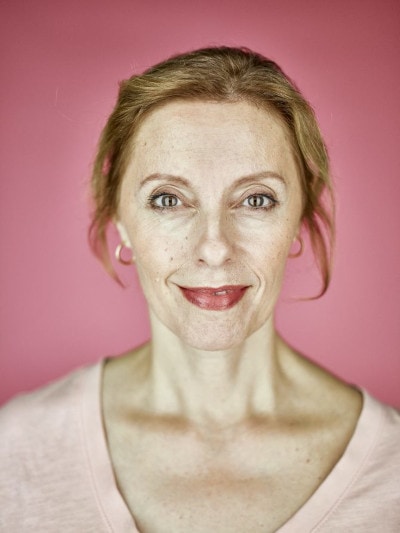
"By supporting NBCF you are supporting quality, relevant research that helps reduce the consequences of breast cancer on those affected – and potentially reducing the risk of breast cancer and breast cancer deaths. Without funding, many researchers undertaking vital research will be forced to abandon their work – we can’t do it without you."
- NBCF-funded researcher,
Professor Nehmat Houssami