Detect
You have returned to the top of the page.
Published: 04/2/26 10:12 AM
The National Breast Cancer Foundation (NBCF) has partnered with the Australian Cancer Research Foundation (ACRF) and Ovarian Cancer Research Foundation (OCRF) to co-fund research at a new centre in Brisbane for people at very high risk of breast cancer.
Women who carry gene mutations such as BRCA1 and BRCA2, have a strong family history of breast cancer or past diagnosis are at very high risk of developing breast cancer. Yet current screening tools cannot reliably pinpoint when cancer is likely to develop or recur.
There is an urgent need for accurate, non‑invasive tools that can better predict an individual’s risk of developing breast cancer to help guide personalised prevention and early intervention strategies.
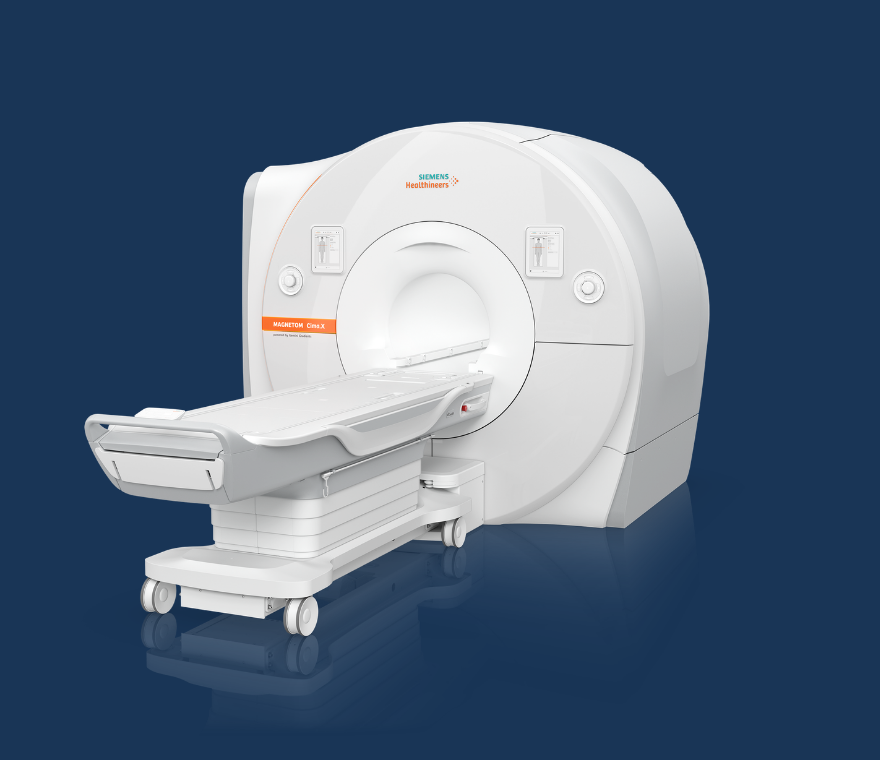
The ACRF Centre for High-Risk Breast Cancer, based at the Princess Alexandra Hospital and Griffith University, will be home to world-leading magnetic resonance imaging (MRI) equipment that can detect ‘early warning’ chemical changes in breast tissue long before cancer appears – potentially up to six years before standard imaging methods. NBCF funding will support research radiographer salaries over two years to operate this new equipment.
Pioneered over decades by internationally-recognised Australian researcher Professor Carolyn Mountford, this is a non-invasive imaging technique that can measure chemical information in a selected part of the body.
The technology is the product of over 30 years of research. It is contrast-free and can identify breast tissue that is transitioning to cancer, offering real‑time monitoring of people at very high risk of breast cancer helping to inform decisions around ongoing screening or preventive strategies. These scans will also assess people’s risk of ovarian cancer.
For the thousands of people at very high risk of breast cancer, this breakthrough technology has the potential to act as a real-time risk predictor by identifying exactly who may be at risk of developing breast cancer and who might safely delay or avoid preventative strategies. The non-invasive, contrast-free scan could also offer an alternative for measuring breast density in those who may not be able to tolerate standard contrast agents.
For the first time, individuals at the highest risk of breast cancer could have greater clarity and control over their healthcare by understanding if they are likely to develop breast cancer.
Clinical trials undertaken as part of this research could provide a new approach to breast cancer risk prediction, reducing deaths. and improving survival and quality of life for people affected by breast and ovarian cancer.