 Stop
Words by NBCF Team
Many people diagnosed with Estrogen Receptor Positive (ER+) breast cancer respond well to hormone therapy and CDK4/6 inhibitors, which help stop cancer cells from growing and dividing. However, some cancers eventually develop resistance, leaving limited treatment options and poor outcomes.
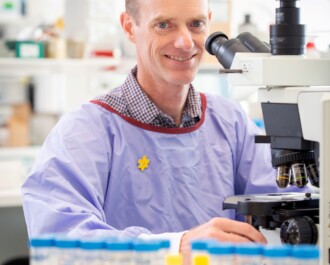
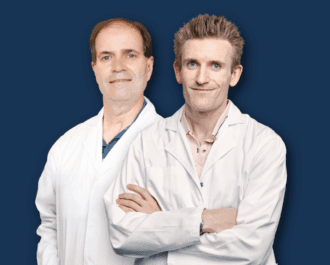
New National Breast Cancer Foundation (NBCF)-funded research led by Dr Leila Eshraghi and NBCF Endowed Chair Professor Elgene Lim at the Garvan Institute of Medical Research has identified a promising new approach that could help address this challenge.
Cancers can survive by disabling the body’s natural defences against cancer. The p53 protein, widely considered the ‘guardian of the genome’, is one such defence that stops or destroys damaged cells before they become cancerous. In many tumours, p53 is inactivated by another protein known as MDM2.
In the study, published in Breast Cancer Research, the researchers found that a drug called an MDM2 inhibitor restored p53 activity, slowing tumour growth and improving survival in laboratory models of treatment-resistant ER+ breast cancers.
“For patients whose breast cancer has stopped responding to hormone therapy and CDK4/6 inhibitors, there may not be many options left. Our findings suggest that reactivating p53 could be a promising direction to explore – and importantly, it worked on its own in our models resistant to hormone therapy,” said Dr Eshraghi.
This research is still at an early stage and has not yet been tested in people with breast cancer. However, these findings provide important evidence that this approach could help create new treatment options in the future.
Supporting research like this is part of NBCF’s commitment to accelerating breakthroughs that address unmet clinical need, expanding future treatment options and improving outcomes for everyone impacted by breast cancer.
To help fund world-class breast cancer research, you can fundraise for NBCF or make a donation.
More News Articles
View all News
Stop