 Stop
Words by Sylvia Lee
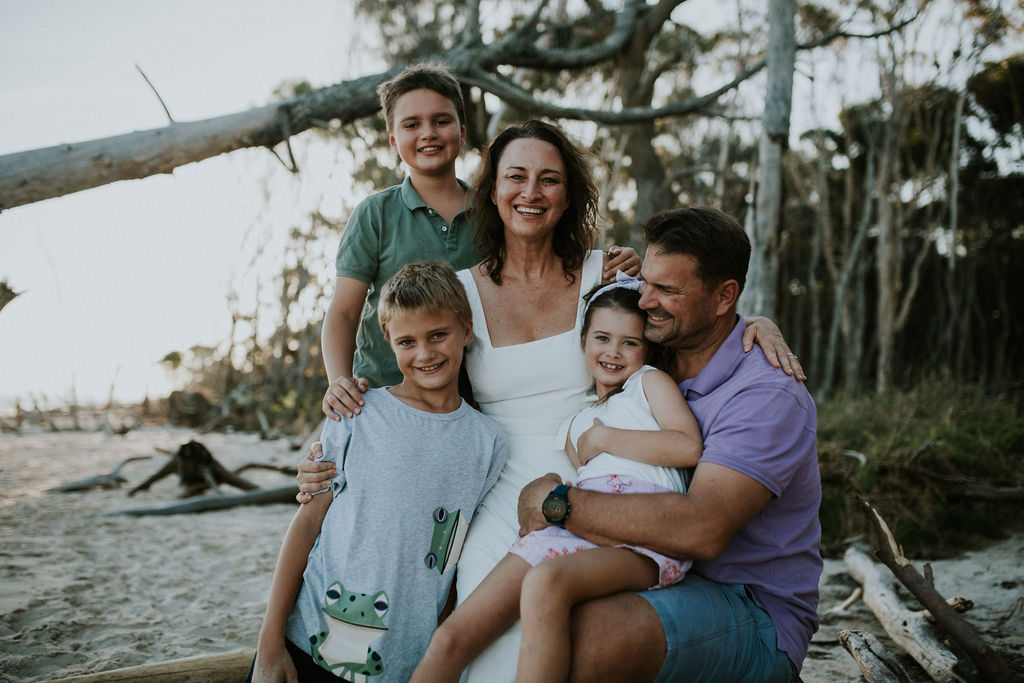
NBCF Community Ambassador Marie with her family. Image: Supplied
For many people diagnosed with breast cancer, treatment does not end when surgery or therapy is complete.
Despite major advances in care, up to 30% of people with breast cancer may experience a recurrence, often many years after their initial diagnosis. Recurrence remains one of the biggest barriers to achieving a future with Zero Deaths from breast cancer.
Researchers are now exploring whether a prescription-based painkiller already used in hospitals could help change that.
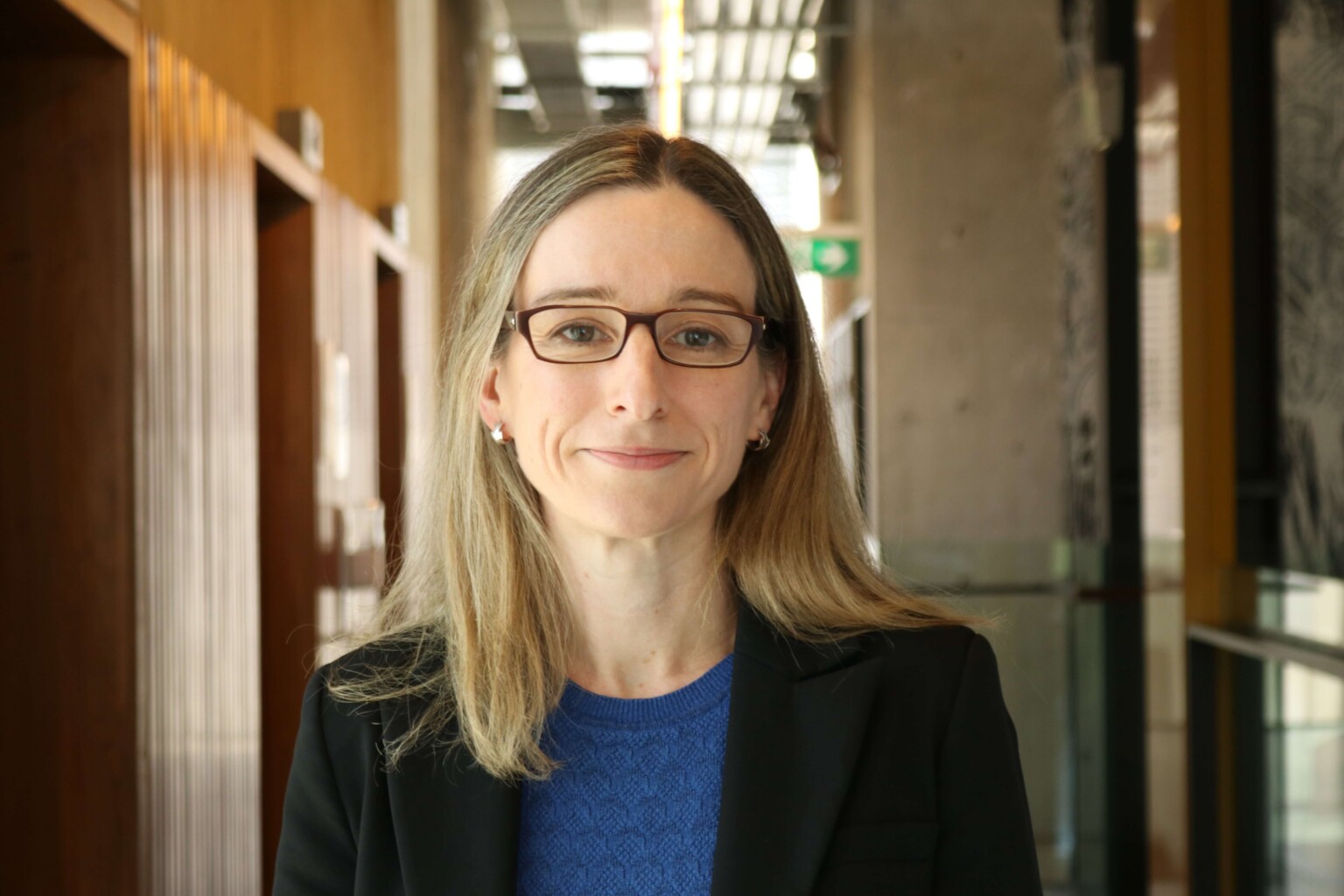
NBCF-funded Associate Professor Liz Caldon. Image: Supplied
Thanks to the support of people like you, the National Breast Cancer Foundation (NBCF) and Cancer Institute NSW (CINSW) are jointly funding research led by Associate Professor Liz Caldon and her team at the Garvan Institute of Medical Research to investigate whether a common prescription-based painkiller can be repurposed to help prevent Estrogen Receptor Positive (ER+) breast cancer from returning after treatment.
The research focuses on the period around surgery and during subsequent treatment, critical windows when cancer cells may be more likely to spread and establish new tumours elsewhere in the body.
By exploring whether this prescription-based painkiller can disrupt this process, the team hopes to uncover a simple, affordable and widely accessible strategy to reduce the risk of breast cancer recurrence. If successful, this approach could accelerate the delivery of a new treatment option and improve long-term outcomes for thousands of people diagnosed with breast cancer, including people like mum-of-three Marie, whose life changed in an instant when she was diagnosed with ER+ breast cancer.
Using an existing medicine offers a major advantage. Because the prescription-based painkiller is already widely used and has an established safety profile, the pathway from discovery to patient benefit could be significantly faster and less expensive than developing an entirely new drug. This means that a treatment capable of reducing recurrence could reach the people who need it sooner, bringing us closer to a future where no one dies from breast cancer.
More News Articles
View all News
Stop