Treat
You have returned to the top of the page.
Published: 08/27/26 12:01 AM
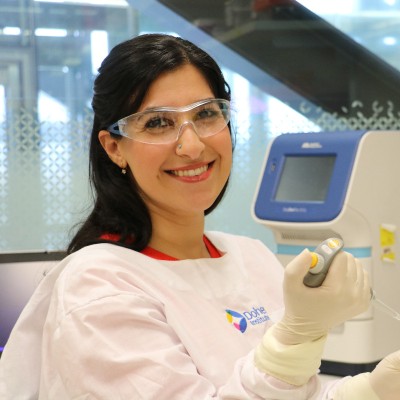
Dr Susan Christo is a Group Leader at the Doherty Institute.
Radiation therapy is a common and effective treatment for breast cancer because it can destroy cancer cells and shrink tumours. However, it also affects healthy cells, including important cancer-fighting immune cells that help the body kill cancer.
When these immune cells are damaged during radiation therapy, the body’s natural defences are weakened, increasing the risk of infection and other health complications. This can slow recovery and reduce the ability to eliminate cancer cells that remain after treatment. Finding ways to protect the immune system during radiation therapy is an important step toward improving treatment outcomes.
Dr Christo’s Pink Sky Grant project, funded by the National Breast Cancer Foundation (NBCF), builds on recent findings from her team showing that
a special type of immune cells found in tissues, such as the breast, are naturally better at surviving radiation than immune cells in the bloodstream. These tissue-based immune cells can continue to function after radiation and help to slow tumour growth.
The research aims to understand what makes these immune cells more resistant to radiation, which could reveal new ways to protect other types of immune cells during treatment. The team will compare immune cells from blood, which are more easily damaged when exposed to radiation, with immune cells from breast tissue that are able to survive. By studying differences in their genes, proteins and surrounding environments, the researchers hope to identify key molecules that act as natural protective ‘shields’ to prevent the destruction of healthy, cancer-fighting cells during radiation therapy.
Using gene-editing tools, they will then test these molecules to confirm which ones are essential for survival against radiation therapy. The long-term goal is to use this knowledge to develop new therapies that strengthen and protect immune cells. These ‘shields’ could one day help preserve healthy immune cells during treatment, allowing the immune system to keep fighting cancer while the tumour is being treated by radiation.
If successful, Dr Christo’s Pink Sky Grant project could improve radiation therapy by protecting the immune system during treatment. Preserving immune cells may support recovery, reduce side effects and enhance the body’s ability to control cancer after radiation therapy, regardless of the type or stage of breast cancer. This research could contribute to more effective and safer cancer therapies and may be more broadly applied to other solid tumour types that are treated with radiation.
Grant code: 2025/PS0111
Active years: 2027-2030
Scientific project title: Harnessing T cell radioresistance to improve radiation therapy outcomes