 Treat
Words by Sylvia Lee
NBCF-funded researcher Associate Professor Liz Caldon and her team at the Garvan Institute of Medical Research have made a breakthrough, published in Journal of Experimental & Clinical Cancer Research, that could lead to personalised and more effective treatments for Estrogen Receptor Positive (ER+) breast cancer.
ER+ breast cancer is the most common subtype, making up around 70% of all breast cancer diagnoses. While it has a better prognosis than other types of breast cancer, more than 2000 people in Australia still die from ER+ breast cancer each year.
Currently, the standard treatment for people diagnosed with high-risk ER+ breast cancer is CDK4/6 inhibitors combined with hormone therapy. While this combination therapy has significantly improved survival, some people may still experience treatment resistance, which leads to metastatic recurrence after successful initial treatment, and the underlying cause for this is unknown.
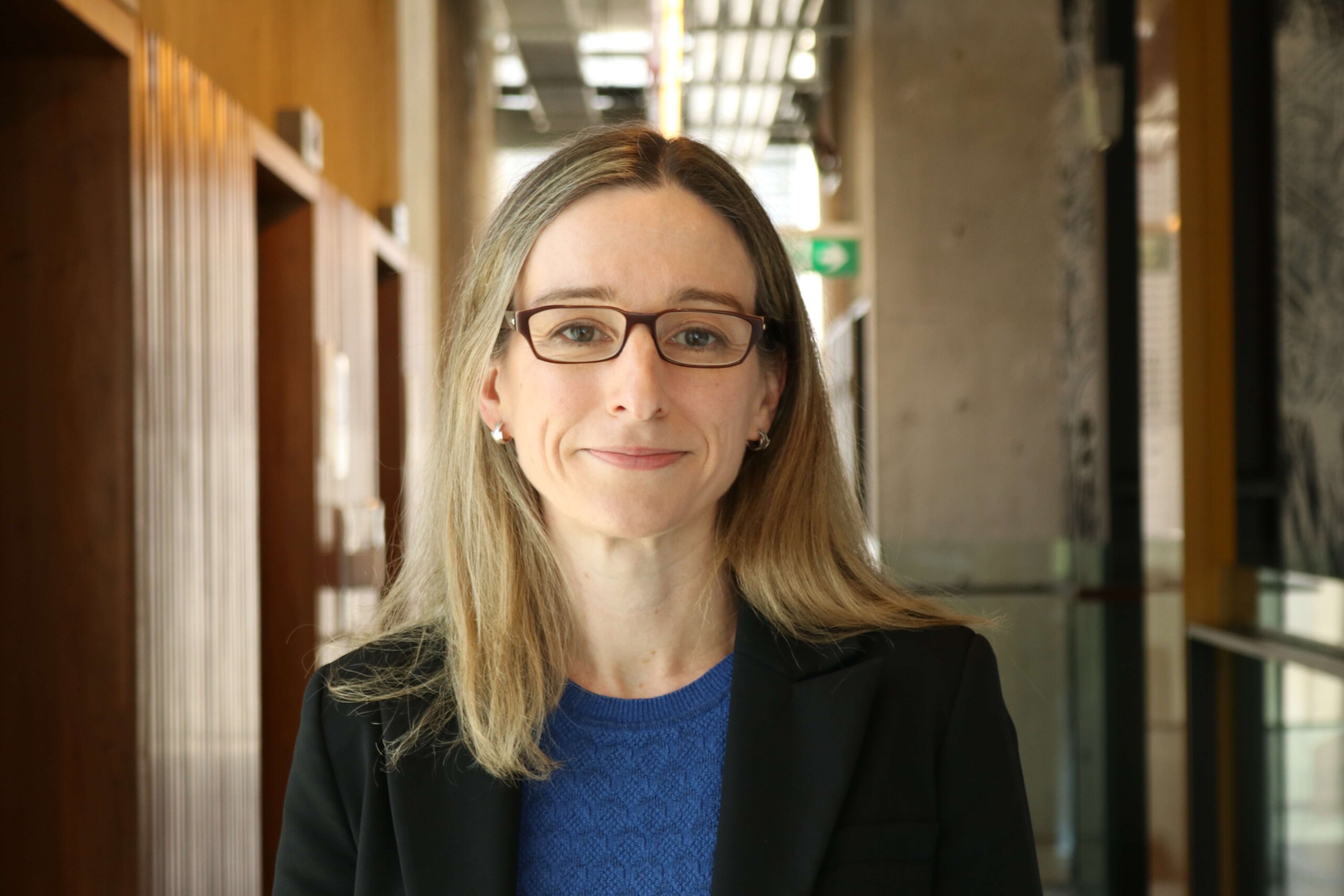
NBCF-funded researcher Associate Professor Liz Caldon. Image: Supplied
Associate Professor Caldon and her team have discovered that the JNK pathway, an important mechanism within the cell, holds the answer they have been searching for.
The JNK pathway acts like a cellular alarm system that sounds when normal cells are exposed to harmful environmental stressors. In doing so, it triggers defensive processes that kill damaged cells or stop them from dividing.
But the researchers found that the inactivation of the JNK pathway causes ER+ cancer cells to become resistant to combination therapy. To uncover why, they used CRISPR, a powerful gene-editing tool, to switch off key genes in the JNK pathway. This revealed that disabling these genes promotes cancer spread.
To confirm this finding, they analysed tumour samples from people who received treatment for ER+ breast cancer and discovered that those with low levels of JNK pathway activity in their tumours were less likely to respond well to standard treatment.
This breakthrough has the potential to make a difference to the lives of people with ER+ breast cancer who experience treatment resistance. It could make it possible for clinicians to screen and identify people unlikely to respond to combination therapy and tailor their treatment so that it is more effective. Associate Professor Caldon and her team are now working on identifying more effective, alternative treatments for people with low JNK pathway activity – a crucial step towards improving personalised breast cancer treatment.
To help fund world-class breast cancer research like this, you can fundraise for NBCF or make a donation.
More News Articles
View all News
Treat