
Treat
You have returned to the top of the page.
Published: 07/7/26 12:01 AM
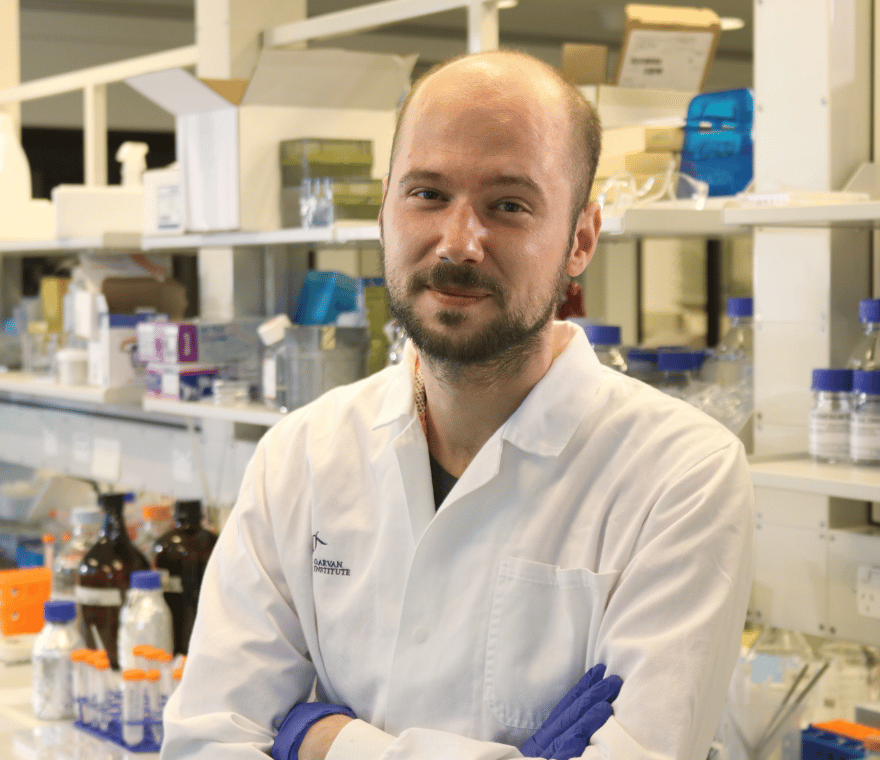
Triple Negative Breast Cancer (TNBC) is one of the most aggressive forms of breast cancer. It can grow and spread quickly – becoming metastatic – and does not respond to treatments used for common breast cancer types that target hormone or growth factor receptors. Neoadjuvant (pre-surgery) and adjuvant (post-surgery) chemotherapy are common treatment strategies for TNBC. Yet for some people, it is only partly effective and can advance treatment side effects such as tissue wasting (known as cancer cachexia), which can dramatically reduce weight and muscle strength. Cancer-related tissue wasting is estimated to contribute to at least 20% of cancer deaths, and is highly relevant in aggressive cancers such as TNBC. When it isn’t lethal, it can severely impact quality-of-life and prevent people from continuing anti-cancer treatments.
We urgently need new treatment strategies that not only target TNBC progression and metastasis, but also enhance overall physical wellbeing so people can remain on effective treatments and have improved survival.
In this NBCF-funded project, Dr David Herrmann and his team at the Garvan Institute of Medical Research will explore a new preclinical approach to slow TNBC growth and spread while protecting the body. The team will test a therapy that blocks an important signalling molecule in the body called NPY, which is linked to tumour growth, metastasis and tissue wasting.
Previously, targeting NPY was shown in preclinical pancreatic cancer models to reduce metastasis by up to 80%, while also improving overall body’s condition. Dr David Herrmann and his team now aim to repurpose this approach in preclinical models of metastatic TNBC by targeting NPY and combining it with standard chemotherapy, which could improve treatment effectiveness and reduce tissue wasting.
To do this, the team will use intravital imaging, a cutting-edge imaging technique that allows researchers to watch how cancers grow and respond to treatments in living tissue in real time. This technique will be combined with genetically-engineered preclinical models that mimic human cancer. Using these advanced tools, the team will determine the optimal dose of the NPY-blocking therapy in combination with standard chemotherapy to achieve the greatest possible effectiveness. Studying preclinical models with different levels of NPY will also help inform future personalised treatment strategies based on an individual’s NPY levels.
If successful, Dr Herrmann’s new treatment approach could reduce tumour growth and metastasis by making chemotherapy more effective while limiting tissue wasting, improving both survival and day-to-day wellbeing. The findings of his project could support the early clinical development of NPY-blocking therapy for TNBC, improve personalised treatment tailored to people’s NPY levels, and could even inform better treatments for other aggressive, metastatic cancers.
Grant code: 2025/RPG0055
Active years: 2026-2029
Scientific project title: Targeting Metastasis and Tissue Wasting in Breast Cancer via the Neuropeptide Y Signalling Axis