
Treat
You have returned to the top of the page.
Published: 07/7/26 12:01 AM
CAR T-cell therapy uses a person’s own immune cells (T cells), which are engineered in the laboratory to better target and kill cancer. This treatment approach has improved survival for some cancers, such as blood cancer. However, the same success has not been seen in most solid tumours, including breast cancer. One main reason is that solid tumours are complex and more variable than blood cancers. Not all breast cancer cells within a tumour display the same surface markers (a problem known as antigen heterogeneity) that CAR T cells can target. As a result, treatments that focus on targeting a single marker can miss cancer cells, allowing the cancer to continue growing or return after treatment.
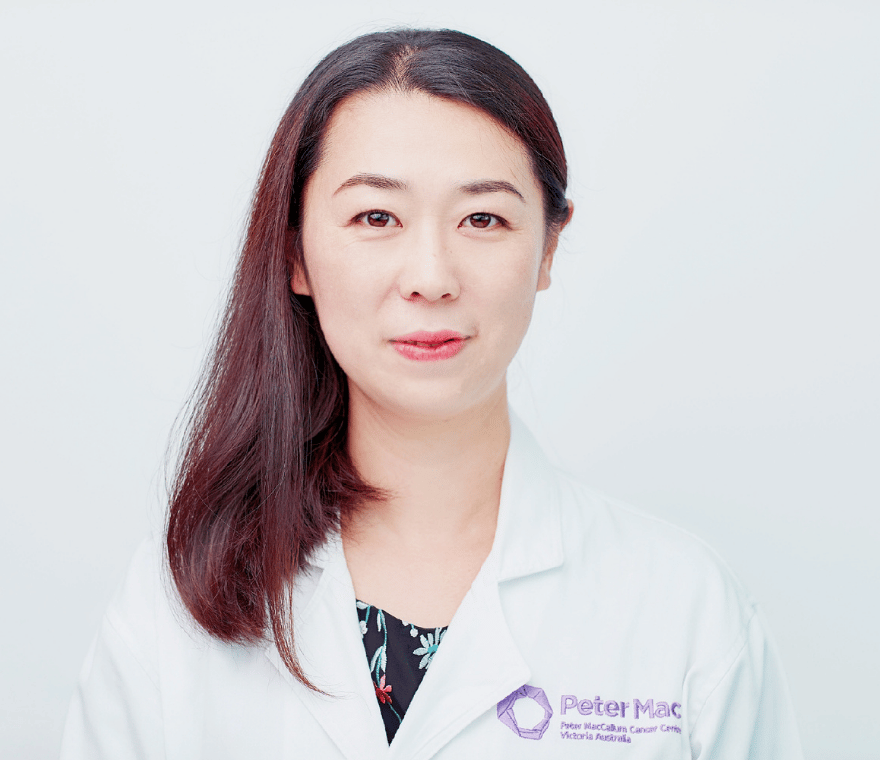
In this NBCF-funded study, Dr Clare Slaney and her team at the University of Melbourne and Peter MacCallum Cancer Centre are working to develop a better way to treat breast cancer with CAR T-cell therapy. Their approach aims to target multiple cancer markers at the same time, helping to reduce the number of cancer cells that can escape treatment.
The team previously discovered that a certain CAR T cell (CD19-CAR T cell) commonly used to treat blood cancers is more powerful than CAR T cells used to treat common breast cancer markers such as Human Epidermal Growth Factor Receptor 2 (HER2). Building on this discovery, Dr Clare Slaney and her team designed a new protein, called an adaptor, that acts like a bridge between the powerful CD19-CAR T cell and breast cancer cells that carry the HER2 marker. Using this adaptor, they were able to redirect CD19-CAR T cells to successfully find and shrink HER2+ breast cancers in preclinical laboratory and patient-derived tumour models.
Furthering this research, the team will design new adaptor proteins that recognise additional markers found on many breast cancer cells. They will test individual adaptors as well as combinations of adaptors in patient-derived tumour models, allowing CAR T cells to target cancer cells with different markers at the same time. The goal is to develop a personalised ‘mix and match’ adaptor system tailored to the marker pattern of an individual tumour. This approach would help powerful CAR T cells – originally developed to treat blood cancer – to better find and target specific markers on each person’s breast cancer, which has the potential to make breast cancer treatment more effective.
Dr Slaney’s project could enable more people diagnosed with breast cancer to benefit from CAR T-cell therapy. By combining adaptor proteins with CAR T cells that have already been used safely and effectively in some blood cancers, clinicians may be able to tailor treatment to match a tumour’s unique and changing profile. The findings could lay the foundation for rapid clinical translation and help inform similar strategies in other solid tumours.
Grant code: 2025/RPG0088
Active years: 2026-2030
Scientific project title: CAR-Adaptors: Guiding CD19-CAR T cells to Treat Breast Cancers