
Treat
You have returned to the top of the page.
Published: 07/7/26 12:01 AM
Co-funded by the National Breast Cancer Foundation (NBCF) and the Mother’s Day Classic Foundation (MDC)
Every year, over 3,300 people in Australia die from breast cancer. Breast cancer remains a leading cause of cancer-related death in women due to the spread (metastasis) of cancer cells to other parts of the body. Once breast cancer spreads, it becomes much harder to treat. Current immune-based treatments (immunotherapies) have helped people with some cancers, but they have had limited success for metastatic breast cancer. One reason is that as cancer cells move to new sites, they develop features that help them hide from the immune system.
Most breast cancer research has focused on the original breast tumours, leaving important gaps in our understanding of how cancer and the immune system change as the disease spreads and during treatment.
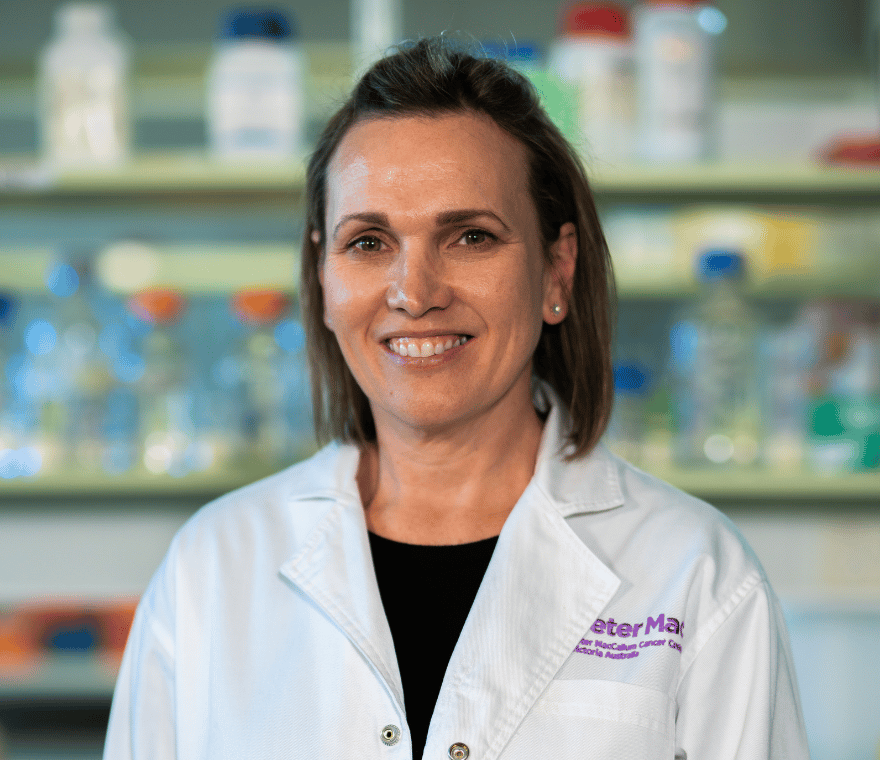
In this project co-funded by the National Breast Cancer Foundation (NBCF) and the Mother’s Day Classic Foundation (MDC), Professor Belinda Parker and her team at the Peter MacCallum Cancer Centre will use patient samples from a rapid autopsy program (tissue samples collected with prior consent shortly after death) to map how tumours ‘escape’ from the immune system using advanced laboratory and preclinical models.
A key goal of this project is to understand how immune escape happens during the journey from a primary breast tumour to distant organs. By identifying the cell-to-cell interactions that allow tumours to hide, Professor Parker and her team aim to design new strategies that make metastatic cancer cells more visible to the immune system. They will explore ways to strengthen and sustain the body’s own T-cell (immune cells that recognise and kill cancer) responses and deliver potent, engineered immune cells to metastatic tumour sites.
Professor Parker’s project has the potential to unlock more effective immunotherapies for metastatic breast cancer. Expected outcomes include the identification of new targets that increase the visibility of tumours to the immune system, treatment strategies that boost the immune system, and a new testing platform for immunotherapies tailored to different metastatic locations that could tailor treatments. Together, these advances could lead to longer-lasting disease control and extended survival for people affected by metastatic breast cancer.
Grant code: 2025/RPG0108
Active years: 2026-2030
Scientific project title: Creating New Avenues for Immune Targeting of Metastasis