Contents
- What is breast awareness?
- How to be breast aware and know what to look out for
- What to do if you notice any breast changes
- Cherie’s story
- Information on breast screening
- Hayley’s story
- Should men be breast aware too?
- Important points to remember
What is breast awareness?
Breast awareness is being familiar with the normal look and feel of your breasts, so that you can identify any changes and see your doctor without delay to get checked. It’s a personal and powerful way to take charge of your health, empowering you to understand what’s typical for your body and when to see a doctor to get checked.
Anyone can get breast cancer. That’s why being breast aware is vital for people of all ages.
How to be breast aware and know what to look out for
How your breasts look and feel may be different to another person. Take the time to ‘get to know’ how your breasts normally look and feel through everyday activities such as showering, getting dressed, using body lotion or looking in the mirror.
You don’t need to use a special technique – you just need to look at and feel your breasts regularly, including your armpit and up to your collarbone.
Be aware of any new or unusual changes in your breasts. If you notice any signs or symptoms of breast cancer, see your doctor immediately:
- a new lump or swelling in the breast
- a change to the size, shape and skin of your breast
- a change to the nipple and/or nipple discharge
- swelling or discomfort in the armpit or around the collarbone
- persistent, unusual pain in the breast or nipple
What to do if you notice any breast changes?
Most breast changes are not caused by cancer, and the signs and symptoms may be caused by other medical conditions. However, it is important that you see your doctor without delay so that the changes can be checked.
Cherie’s story
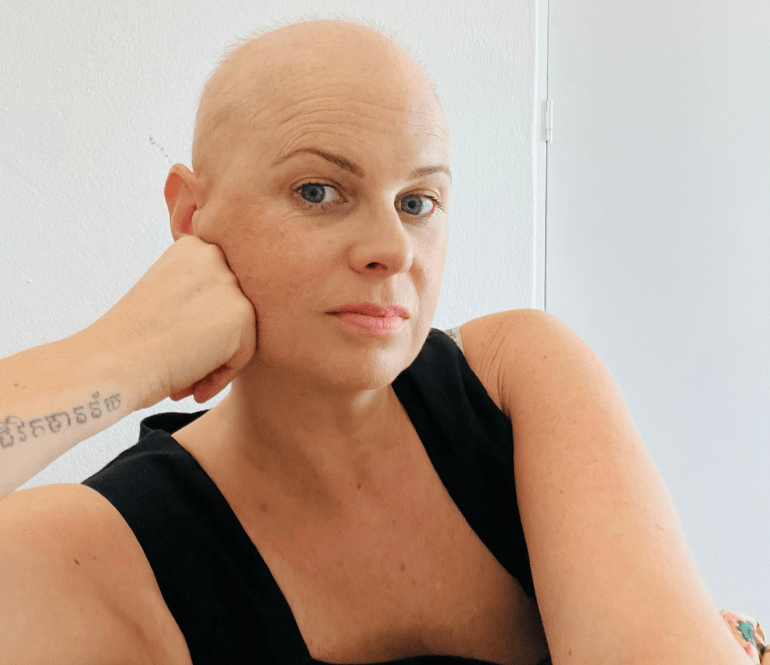
At just 41, young mum Cherie was diagnosed with Triple Negative Breast Cancer (TNBC) after noticing discomfort in her breast – the same spot where a lump had been removed years earlier.
“I mentioned my discomfort to my GP, and I was sent for an ultrasound, which showed an irregular lump. I went to the Sydney Breast Clinic three days later. I had a feeling that I would be told I had cancer, but nothing could prepare you for those words being spoken.” Cherie, diagnosed 2024
Information on breast screening
It’s important to remember that breast awareness does not replace having regular mammograms and other screening tests as recommended by your doctor.
Free breast screening through BreastScreen Australia is intended for women who do not have any breast symptoms. It’s a population-based program designed to detect breast cancer early in women who feel well and have no noticeable breast changes. All women between 50-74 years are invited to attend regular screening mammograms every two years. In some states, Aboriginal and Torres Strait Islander women are encouraged to start breast screening at age 40.
Women aged 40-49 and 75 years and older are also eligible for free mammograms that they can book through BreastScreen Australia if they have no breast cancer symptoms. In deciding whether to attend a screening mammogram, women in these age groups can speak with their doctor about whether breast screening mammograms are right for them.
If you do have symptoms, it’s important to see your doctor rather than book a screening mammogram. These symptoms may require diagnostic tests, which are different from routine screening and are best managed through your health professional.
If you have a strong family history of breast or ovarian cancer or you are concerned that you may have an increased risk of breast cancer, talk to your GP or local family cancer clinic. Your doctor can help you assess and manage your breast cancer risk and will advise of any additional precautions or screening you may require.
Screening mammograms may also be recommended for trans and gender diverse people, who have a unique set of factors that affect their breast cancer risk. If you are trans or gender diverse, please speak with your GP about your personal risk factors and the need for screening.
You can learn more about breast screening here.
Hayley’s story
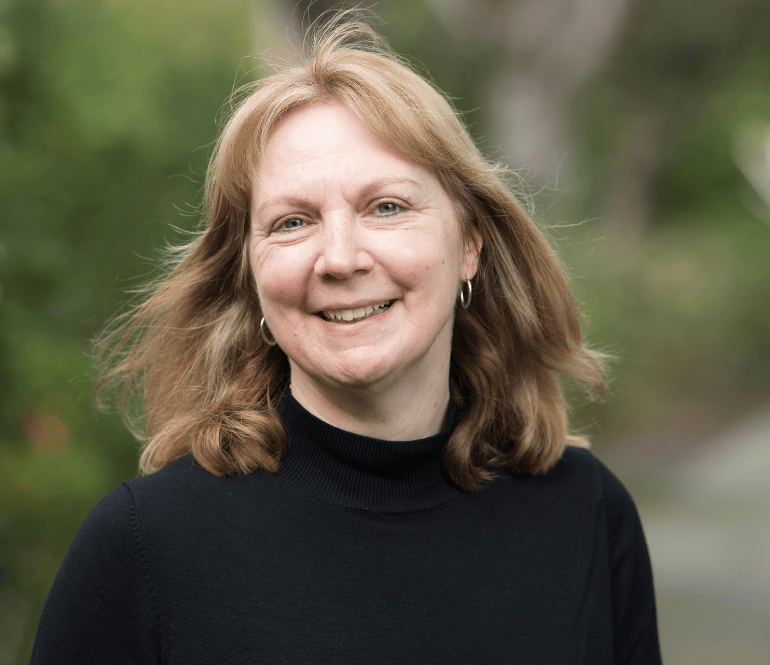
A cancer researcher for over 20 years, Hayley was diagnosed with Estrogen Receptor Positive (ER+) breast cancer after noticing breast changes.
“I noticed some red shading on my right breast and when I touched it, I realised it was not hot, but it was very hard and I had a definite lump. A visit to the GP, followed by a high-contrast mammogram, ultrasound and a 3-punch biopsy, showed that my hard lump was in fact breast cancer.” Hayley, diagnosed 2024
Should men be breast aware too?
Breast cancer affects people of all genders, because everyone has breast tissue. Although it is uncommon, men can be diagnosed with breast cancer. About 1 in 600 men are diagnosed with breast cancer in their lifetime. Every year, 40 men die from breast cancer.
If you are a man and you notice any new and unusual changes in your breasts, it is important to see your doctor as soon as possible so that the changes can be examined by a health professional.
Important points to remember
- Anyone can be diagnosed with breast cancer, regardless of gender.
- Breast awareness is recommended for people of all ages. However, it does not replace having regular mammograms and other screening tests as recommended by your doctor.
- Most breast changes are not due to cancer, but if you notice any new or unusual changes in your breasts, it is important to see your doctor without delay.
Together, we can end deaths from breast cancer
Since 1994, the National Breast Cancer Foundation (NBCF) has invested over $250 million into more than 650 world-class research grants across Australia, with international reach.
In this time, in large part due to research, the death rate from breast cancer in Australia has reduced by over 40%.
We’ve seen remarkable results, but the job’s not done.
Will you help us reach our vision of Zero Deaths?
Last updated: June 2026
Get to know how your breasts normally look and feel through normal regular activities (such as showering, getting dressed, using body lotion or looking in the mirror). You don’t need to use a special technique, but ensure you look at and feel your breasts regularly. Make sure this includes all parts of your breast, your armpit and up to your collarbone.
It is important to be familiar with how your breasts normally look and feel through everyday activities (such as showering) so that you can identify if a new lump appears. Make sure you look at and feel your whole breast area frequently, including your breasts, armpits and up to your collarbone. A new lump is one of the most common signs of breast cancer so if you have found a new lump or any unusual change in your breast, it is important to see your doctor without delay.
Make sure you look at and feel your breasts regularly. You have opportunities every day to ‘get to know’ your breasts through activities such as showering or getting dressed so during this time, pay attention to how your breasts normally look and feel so that if something changes – such as a new lump or a change in shape or colour – you can get it checked out quickly by your doctor.
If you feel a lump or thickening of a breast – get checked out immediately. If you notice any changes to the shape or size of one of your breasts, or the colour of one of your nipples – get it checked out by a health professional. See here for more symptoms of breast cancer.