
Quality Of Life
You have returned to the top of the page.
Despite improved treatment and survival rates, people living with breast cancer can still experience significant physical and psychological impacts. Physical side effects from cancer treatments can be extensive and vary depending on the treatment approach. Side effects may include pain, nausea, fatigue (tiredness), mouth ulcers, lymphoedema (buildup of lymph fluid in tissues, most commonly occurring in the arm after surgery and removal of lymph nodes), hair loss, infertility, red/dry skin, and insomnia.
Psychologically, people may experience anxiety, shock and depression following a breast cancer diagnosis. Other issues include body image and intimacy concerns, career-related concerns, and fear of cancer recurrence. Younger women may also have concerns about fertility or pregnancy.
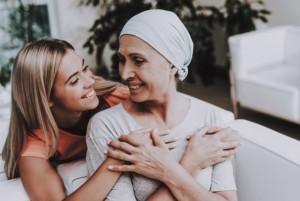
Some breast cancer treatments, particularly chemotherapy, hormone-blocking therapies, radiation therapy to the ovaries, and surgical removal of the ovaries, can impact fertility and cause early menopause, known as medically induced menopause.
Symptoms of medically induced menopause may include:
Medically induced menopause may be temporary or permanent depending on the individual’s circumstances, age, and the type, dose and duration of chemotherapy and radiation therapy. The more damaging a treatment is to the ovaries, the more likely menopause will be permanent; surgical removal of both ovaries will immediately lead to permanent menopause.
While there are no reliable tests to predict whether a person’s periods will return eventually, those aged under 35 at the time of treatment are more likely to experience temporary menopause. People diagnosed with breast cancer should speak to their doctor about any concerns they may have so they can make an informed decision about their treatment.
Breast cancer can have far-reaching physical and psychological impacts that impact a person’s quality of life.
Supportive care can help maintain or improve quality of life by providing information, resources and services that address the physical, psychological, social, spiritual and information needs of people affected by cancer. This can include pain management, counselling, peer support groups and physical therapy.
There are a variety of support services that offer people and their loved ones assistance in coping with a cancer diagnosis or recovery following cancer:
Last updated: January 2026