The National Breast Cancer Foundation announces the first Pink Sky Grant recipients with nearly $6 million in funding towards bold ideas
The National Breast Cancer Foundation (NBCF) will invest nearly $6 million in 12 ambitious research projects through its inaugural Pink Sky Grants (PSG) Scheme, a bold new funding initiative designed to support novel research projects with paradigm-shifting potential to revolutionise approaches to combating breast cancer and ultimately bringing them closer to realising their vision of Zero Deaths from breast cancer.
Nine people in Australia die from breast cancer every day, and more than 20,000 are diagnosed each year. In large part due to research, the death rate from breast cancer in Australia has reduced by over 40% over the last 30 years, demonstrating the life-saving impact of research investment. But the job is not done. Through its PSG Scheme, NBCF is backing innovative projects that have the potential to transform the future of breast cancer; including preventing breast cancer, stopping disease progression and recurrence, and improving treatment options for hard-to-treat and metastatic breast cancers.
Dr Cleola Anderiesz, CEO of NBCF said:
“At a time of increasing pressure on Australia’s research funding landscape, supporting bold research has never been more important. Every life-saving breakthrough starts with an ambitious idea. The Pink Sky Grant Scheme enables researchers to pursue innovative ideas, including novel approaches being explored in breast cancer for the first time, helping to create hope for those affected and bringing us closer to our vision of Zero Deaths from breast cancer.”
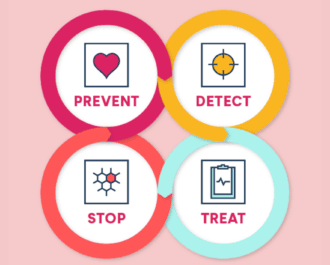
“Transformative breakthroughs rarely come from playing it safe. The Pink Sky Grant Scheme was created to support ambitious ideas that may not fit traditional funding models but have the potential to fundamentally change how we prevent, detect, stop and treat breast cancer. By backing research at this critical stage, we’re helping unlock the discoveries that could shape the future of breast cancer and save lives,”
The Pink Sky Grant Scheme is a key component of NBCF’s Pink Horizon Research Strategy, which supports a connected portfolio of ambitious and transformational research to address intractable questions and accelerate progress towards their vision of Zero Deaths from breast cancer.
To maximise funding impact, NBCF is proud to welcome $500,000 co-funding from the Cancer Institute NSW for the first time, supporting four Pink Sky Grants in New South Wales. By working together to fund breast cancer research, organisations can support more or larger research projects while enabling funding to be directed to the areas of greatest need and impact. This collective funding approach strengthens the research ecosystem, allowing for greater scale, pace and depth of research that may not be achieved independently.
Professor Tracey O’Brien AM, NSW Chief Cancer Officer and Cancer Institute NSW CEO said:
“Breast cancer continues to have a profound impact on women and families across New South Wales. This year alone, almost 7,000 women in NSW will be diagnosed with breast cancer and around 1,000 will lose their lives to the disease. That’s not just a number that’s our mothers, sisters, daughters and friends.”
“Research gives us our greatest opportunity to change the future of breast cancer. By investing in bold, high-impact research, we’re accelerating the discoveries that will lead to better treatments, improved outcomes and ultimately, more women living longer, healthier lives.”
NBCF is also proud to welcome co-funding for two projects from the Mother’s Day Classic Foundation, who have been a supporter of the Foundation for 29 years and have contributed over $50 million to breast cancer research in this time.
Funded projects will explore a broad range of cutting-edge research areas, including personalised breast screening, novel treatments for BRCA1 mutation carriers, immune-based approaches to combat aggressive cancers, and pioneering CAR T-cell therapies. The research reflects the breadth of innovation needed to tackle a disease that continues to affect thousands of people in Australia every year.
The inaugural Pink Sky Grants will support researchers from leading institutions across Australia, including:
Dr Hani Jieun Kim – Garvan Institute of Medical Research
Co-funded by Cancer Institute NSW
Mapping the earliest changes that lead to breast cancer
Breast cancer prevention research is limited by a deep understanding of the very first changes that start the development of this disease. Dr Hani Jieun Kim’s project takes a new approach by studying breast cancer and normal breast cells in exquisite detail, mapping the earliest changes in breast tissue, that turn healthy cells into cancer. The findings could enable new early detection tests, risk prediction tools and personalised prevention strategies.
Professor Julie McMullen – Heart Research Institute
Co-funded by Cancer Institute NSW
Doxorubicin’s change of heart: Protecting the heart while boosting chemotherapy for breast cancer
Doxorubicin is a highly effective chemotherapy for breast cancer, but its use is limited by the risk of serious heart damage. Professor Julie McMullen’s project is testing a promising new drug that may protect the heart while enhancing doxorubicin’s effectiveness, leading to safer treatment and better outcomes for people.
Professor Kum Kum Khanna – University of Queensland
Developing a new CAR T-cell therapy to target TNBC that has spread to the brain
Triple Negative Breast Cancer (TNBC) is especially difficult to treat once it spreads to the brain. Professor Kum Kum Khanna’s project is developing a new immunotherapy using specialised immune cells that can precisely target TNBC tumour cells in the brain, addressing a major unmet clinical need for people with few effective treatment options.
Associate Professor Liz Caldon – Garvan Institute of Medical Research
Co-funded by Cancer Institute NSW
Testing a painkiller to prevent recurrence of ER+ breast cancer
Associate Professor Liz Caldon’s project investigates whether ketorolac, a common painkiller, can reduce spread and recurrence in Estrogen Receptor Positive (ER+) breast cancer. Given with standard treatments or around the time of surgery, ketorolac may block cancer‑spreading pathways, transforming a pain relief medication into a low‑toxicity, cost-effective, treatment that reduces deaths, and improves survival and quality of life.
Associate Professor Pegah Varamini – University of Sydney
Co-funded by Cancer Institute NSW
Moving a new type of targeted therapy for TNBC closer to clinical trials
Triple Negative Breast Cancer (TNBC) has limited treatment options and mainly relies on chemotherapy, which can cause significant side effects. After almost a decade of development, Associate Professor Pegah Varamini’s project is advancing a targeted treatment for TNBC. The therapy uses a small novel peptide to guide a powerful cancer-killing drug towards tumour cells, aiming to improve treatment precision and reduce healthy tissues’ exposure to chemotherapy throughout the body.
Professor Paul Beavis – Peter MacCallum Cancer Centre
Improving CAR T cell therapy by harnessing the power of lymph nodes in breast cancer
CAR T cell therapy is highly effective in blood cancers, but it has limited effectiveness in solid tumours like breast cancer. This may be due to CAR T cells not lasting long enough in the body to be effective. Professor Paul Beavis’ project tests a completely new approach by engineering CAR T cells to harness the power of lymph nodes, helping them survive longer in the body and deliver more powerful anti‑tumour effects.
Professor Paul Gregorevic – University of Melbourne
Funded by Mother’s Day Classic Foundation (MDC)
A new therapy to reduce breast cancer metastasis and muscle wasting
Professor Paul Gregorevic’s project investigates whether a drug, originally developed for wound healing, could reduce cancer spread while protecting against a debilitating cancer-associated wasting condition. By targeting and enhancing natural protective processes in the body, the project aims to pave the way towards a new therapy that could improve survival, treatment tolerance and quality of life.
Professor Steven Stacker – Peter MacCallum Cancer Centre
Preventing breast cancer recurrence by targeting the cells that resist chemotherapy
Some breast cancers may return when a small group of ‘stem‑like’ cells survive chemotherapy and regenerate the tumour. Professor Steven Stacker’s project investigates how these cells adapt over time and if they can be precisely eradicated. Ultimately, this could prevent chemotherapy resistance, reduce recurrence, reduce deaths, and improve outcomes for people with aggressive breast cancers.
Dr Stephin Vervoort – (WEHI) Walter and Eliza Hall Institute of Medical Research
Funded by Mother’s Day Classic Foundation (MDC)
Understanding the origins of breast cancer by mapping gene mutations and cancer switches
Breast cancers contain many DNA mutations, but only some are responsible for driving the disease. Dr Stephin Vervoort’s project will use advanced gene-editing tools to test hundreds of breast cancer mutations and cellular ‘switches’ that drive breast cancer development and growth. The findings could help uncover new and personalised treatment strategies.
Dr Susan Christo – University of Melbourne
Developing ‘molecular shields’ to protect immune cells during breast cancer radiotherapy
Radiation therapy is an effective breast cancer treatment, but it can damage healthy immune cells needed to fight cancer and support recovery. Dr Susan Christo’s project will uncover how some immune cells naturally survive radiation and use this knowledge to develop new ways to protect immunity, improve treatment effectiveness and reduce side effects.
Dr Thierry Jardé – Monash University
Stopping breast cancer before it starts: Targeting the earliest changes that drive cancer in people with BRCA1 mutations
People with BRCA1 gene mutations face a high risk of developing breast cancer, but the earliest changes leading to disease are not well understood. Dr Thierry Jardé’s project investigates how breast and surrounding support cells change in early cancer development to identify new ways to detect, delay or prevent breast cancer in people with BRCA1 mutations.
Dr Yu-Kuan (Tony) Huang – Peter MacCallum Cancer Centre
Immunotherapy with BiTE: Armouring CAR T cells against breast cancer
Immunotherapies have shown great promise, but their effectiveness in breast cancer has been limited. Dr Yu-Kuan (Tony) Huang’s project will create ‘armoured’ CAR T cells that activate immune responses only inside tumours and target multiple cancer markers at once. This innovative approach aims to improve cancer control effectiveness while reducing damage to healthy tissue and expanding treatment options for people with breast cancer.
Click here to learn more about NBCF’s Pink Sky Grant Scheme.
To find ways to support NBCF, visit https://nbcf.org.au/donate/.
More News Articles
View all News